78 2ND HOUSE RD MONTAUK, NY, 11954
CONTACT@SILKROAD-PHARMACY.COM- No products in the cart.
GLP-1 Medicines for Weight Loss: How They Work, How Doses Rise, and What to Expect
GLP-1 medicines for weight loss, in plain terms
GLP-1 medicines for weight loss are prescription treatments that copy a natural gut hormone to reduce hunger, help you feel full on smaller meals, and slow how quickly food leaves the stomach. The main medicines in this class for weight management are semaglutide, given as a weekly injection, and tirzepatide, which acts on two gut hormones. Used alongside changes to food, activity, and sleep, they can lead to steady weight loss over many months. They are not quick fixes, appetite stimulants in reverse, or substitutes for medical care. Treatment starts at a low dose, rises slowly, and needs ongoing review.
Our pharmacy team wrote this guide because interest in these medicines has grown much faster than clear information about them. Readers often arrive with the same basic questions: how does something that acts on the gut change body weight, why does the dose keep changing at the start, and what does a normal month on treatment actually feel like? The sections below answer those questions in order, without product hype and without assuming you already know the medical terms.
If you are comparing options, it helps to think of this as a class first and as individual medicines second. The shared way of working explains most of the benefits, most of the side effects, and most of the practical rules that follow.
How it works
GLP-1 stands for glucagon-like peptide-1. It is a hormone your intestine releases after you eat. Its normal job is to send coordinated signals: tell the pancreas to release insulin when blood sugar is rising, reduce the release of glucagon, slow stomach emptying, and signal to the brain that enough food has arrived. Together, those actions keep blood sugar steadier after meals and create a natural sense of fullness.
Medicines in this class are made to act like that hormone, but for much longer. Natural GLP-1 lasts only a few minutes in the body. Semaglutide and tirzepatide are designed to resist breakdown, so a single weekly injection keeps the signal active for days. Tirzepatide also acts on a second related hormone pathway, called GIP, which is involved in insulin release and appetite regulation as well.
For weight loss, the most important effects are in appetite and eating behavior. Most people describe three changes. First, hunger between meals becomes quieter. Second, fullness arrives earlier in a meal, so smaller portions feel sufficient rather than forced. Third, persistent thoughts about food, sometimes called food noise, become less intrusive. The medicine does not block fat absorption, and it does not speed up metabolism in the way stimulants claim to. Weight falls because energy intake falls consistently over time, while blood sugar control also improves in people who need that effect.
What it is used for
These medicines were first developed for type 2 diabetes, where improving insulin response and lowering blood sugar is the main goal. Higher-dose and dedicated formulations were then studied and approved for chronic weight management in adults who meet medical criteria, typically based on body mass index together with weight-related conditions such as high blood pressure, abnormal blood fats, type 2 diabetes, or obstructive sleep apnea.
That distinction matters. A GLP-1 medicine is a medical treatment for a long-term condition, not a cosmetic product for losing a small amount of weight before an event. Weight tends to return when treatment stops, because the appetite signals the medicine was providing are no longer there. For that reason, prescribers usually plan for long-term use, with regular checks on weight, blood pressure, blood sugar where relevant, nutrition, and side effects.
Children and teenagers are a separate question. Some products in this class have approvals in certain countries for adolescents who meet strict criteria, under specialist care. This guide covers adult use only, and families should follow pediatric specialist advice rather than adapting adult information. You can browse the wider context for this treatment area in our weight loss category, keeping in mind that eligibility is always a clinical decision, not a shopping decision.
How it is taken
Most weight-management GLP-1 treatment is a once-weekly injection under the skin, usually in the abdomen, thigh, or upper arm, on the same day each week. The injection uses a prefilled pen with a very fine needle, and most people learn the technique quickly. A daily tablet form of semaglutide exists for type 2 diabetes, taken on an empty stomach with strict timing rules, but the weekly pen is the form most commonly used for weight loss. Your prescriber will confirm which form, if any, is appropriate for you.
The dose-escalation pattern is deliberate and is one of the most misunderstood parts of treatment. You start on a low introductory dose that is not expected to produce full weight loss. After about four weeks, the dose rises by one step, then rises again at similar intervals until you reach a maintenance dose that balances effect and tolerability. Semaglutide and tirzepatide both follow this stepwise pattern, although their dose steps differ.
Treatment starts low and rises slowly for two reasons. First, the gut needs time to adjust: jumping straight to a full dose would make nausea, vomiting, and diarrhea far more likely. Second, appetite effects build gradually, and a slow rise lets you and your prescriber find the lowest dose that works well for you. If side effects become troublesome at a new step, the usual response is to stay at the previous dose longer, not to push through. Never change the step, skip ahead, or double up after a missed dose without medical advice. If a weekly dose is missed, product instructions give a specific window for taking it late; beyond that window, the usual advice is to wait for the next scheduled day.
Strengths and forms available
At class level, the main forms are prefilled weekly injection pens, supplied in a sequence of dose strengths so that escalation can happen step by step, and, for diabetes treatment, daily oral tablets of semaglutide in a smaller range of strengths. Pens are single-patient devices. You should never share a pen with another person, even if you change the needle, because of infection risk.
To give a sense of scale, weekly semaglutide for weight management is commonly supplied in steps rising from 0.25 mg through to a 2.4 mg maintenance dose. Weekly tirzepatide is commonly supplied in steps rising from 2.5 mg through to a maximum of 15 mg. These numbers are not interchangeable between medicines: 5 mg of one is not equivalent to 5 mg of the other, and the figures are educational only. The exact presentation, pen design, and available steps vary by country and by the licensed product your prescriber selects.
Strength on the box can be confusing because some pens deliver one fixed dose per injection while others allow dialing between steps. Always check the dose window or counter before injecting, keep a simple record of which step you are on and when it is due to rise, and ask a pharmacist to walk through the first pen with you if the device is new to you. That five-minute check prevents most early mistakes.
Cautions and side effects
The most common side effects are digestive, especially during dose escalation. Nausea is the most frequently reported, followed by diarrhea, vomiting, constipation, indigestion, reflux, burping, stomach pain, and reduced appetite beyond the intended effect. Eating smaller meals, stopping when you first feel full, avoiding very fatty food, and eating slowly help many people. These effects often ease as the body adjusts to a stable dose, but they should be reported if they persist or interfere with eating and drinking normally. This guide is general information, not personal medical advice, and your own prescriber's guidance takes priority for your situation.
Some warning signs need prompt medical attention. Severe or persistent stomach pain, especially pain spreading to the back, can signal inflammation of the pancreas and needs urgent assessment. Pain in the upper right abdomen, fever, or yellowing of the skin or eyes can signal gallbladder problems, which occur more often with rapid weight loss and with this class. Repeated vomiting or diarrhea that stops you keeping fluids down risks dehydration and kidney strain. Signs of a serious allergic reaction, such as swelling of the face or throat or difficulty breathing, are an emergency in any country.
- Severe stomach pain spreading to the back — possible pancreas inflammation; get assessed urgently.
- Upper-right abdominal pain, fever, or yellowing skin or eyes — possible gallbladder trouble.
- Repeated vomiting or diarrhea that stops you keeping fluids down — dehydration risk.
- Swelling of the face or throat, or difficulty breathing — an emergency in any country.
Certain people must avoid these medicines or use them only under close specialist direction. They are not used in people with a personal or family history of medullary thyroid carcinoma or the inherited condition MEN 2, because of a tumor signal seen in animal studies. They are generally avoided during pregnancy and when planning pregnancy, and they need careful review in people with severe stomach-emptying problems, a history of pancreatitis, or upcoming surgery, since slowed stomach emptying can matter for anesthesia. Tell your prescriber about all other medicines, including oral contraception and diabetes medicines, because interactions and dose adjustments can apply.
Storage
GLP-1 pens are temperature-sensitive and are normally stored in the refrigerator, typically between 2°C and 8°C, in their original carton to protect them from light. Do not freeze a pen, and do not use one that has been frozen, left in a hot car, or kept past its expiry date. If a pen freezes by accident against the back wall of a refrigerator, treat it as unusable and ask a pharmacist for advice rather than guessing.
Most pens allow a limited period at room temperature once in use, but the exact number of days differs by product, so follow the leaflet that comes with your specific pen rather than a general rule from the internet. Keep the cap on, store needles separately and safely, and dispose of used needles in a proper sharps container, never in household trash. Keep all medicines out of the reach of children and pets, and check the liquid through the pen window: it should look clear and colorless, without particles. If it does not, do not inject it.
Spotting genuine stock
High demand has made this class a target for counterfeiters, and fake or mishandled pens are a real safety problem, not a theoretical one. Genuine stock comes in sealed manufacturer packaging with consistent printing, a batch number and expiry date that match between carton and pen, intact tamper seals, and a patient leaflet in the expected language. Prices far below the normal market, sellers offering pens without any prescription process, loose unlabeled pens, and stock shipped warm with no cold-chain care are all warning signs. Our separate guide on how to spot a fake medicine walks through packaging checks in more detail, and it is worth reading before you buy this class from any new source. When you order from us, you can read how we prove our stock is genuine.
Ordering note
Ordering works as follows: you place your order on the site, and where a prescription applies to a medicine in your order, it is requested and checked by email before anything is dispatched. If the prescription check raises a question, our team contacts you by email first, so please use an address you read regularly and check that our messages are not going to spam.
Common questions
How much weight do people typically lose?
Results vary widely. In large clinical trials, average losses over about a year were substantially greater than with lifestyle changes alone, but individual results ranged from modest to large. Your starting health, dose reached, eating habits, activity, sleep, and how long you stay on treatment all influence the outcome. Treat any specific figure promised by a seller as a warning sign.
How long does it take to notice a change?
Most people notice appetite changes within the first few weeks, often before the dose has finished rising. Weight change is usually gradual, measured over months rather than days. Early weeks are mainly about adjustment and tolerability. Keeping a simple weekly weight record, taken under similar conditions, gives a fairer picture than daily weighing.
What happens if I stop treatment?
Appetite generally returns toward its previous pattern within weeks of stopping, and many people regain a significant part of the weight they lost. This is why prescribers discuss long-term plans at the start rather than treating the medicine as a short course. If you need to stop, for example before surgery or pregnancy, agree on the timing and follow-up plan with your prescriber.
Can I drink alcohol while taking a GLP-1 medicine?
There is no absolute ban for most people, but alcohol often worsens nausea and reflux, adds calories that work against your goal, and can complicate blood sugar control. Many people find they want less alcohol anyway. Keep intake modest, avoid drinking on an empty stomach, and mention your drinking honestly at reviews so advice fits your real habits.
Do I need to follow a special diet?
No branded diet is required, but protein intake, fiber, and hydration matter more than usual because you will be eating less overall. Prioritizing protein and vegetables first at meals helps protect muscle and reduce constipation. A dietitian can help if you are losing weight quickly or struggling to eat enough nutritious food on a maintenance dose.
Where can I read more guides like this one?
Our full library at The Guides covers medicine classes, safe ordering, and packaging checks in the same plain style as this article. Start with the topic closest to your question, and bring anything that does not fit your situation to your prescriber or pharmacist rather than guessing.
From the WEIGHT LOSS shelf
Guides inform; the shelf is where you order. These are the current items in this part of the store.
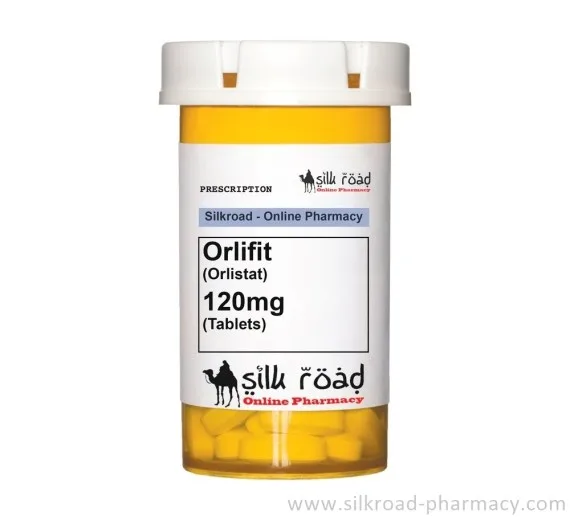 Orlifit (Orlistat) 120mg
$1.00


More from The Guides
A plain comparison of the four PDE5 medicines by timing, duration, and food effects, with the safety checks that matter most.
Adults with ADHD may be offered a fast-acting stimulant or a slower, steady non-stimulant. This guide explains how the classes dif...
Daily medicines ease anxiety gradually over weeks, while benzodiazepines act in minutes but are short-term only. This guide explai...