78 2ND HOUSE RD MONTAUK, NY, 11954
CONTACT@SILKROAD-PHARMACY.COM- No products in the cart.
ADHD Medicines: Stimulant vs Non-Stimulant — How Each Class Works, and How They Differ
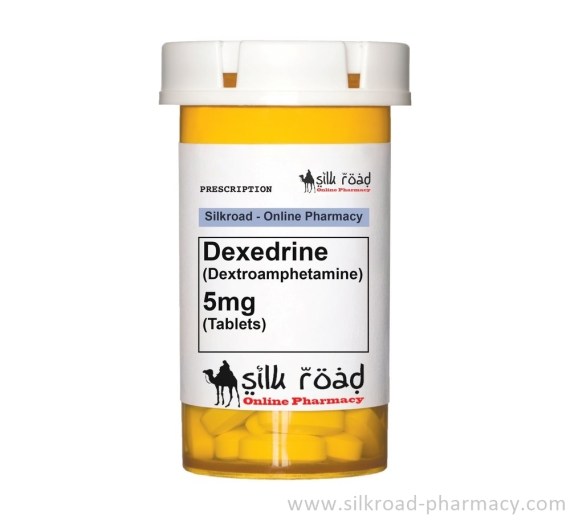
Stimulant vs non-stimulant ADHD medicines at a glance
Stimulant and non-stimulant ADHD medicines both treat attention, impulsivity, and hyperactivity in adults, but they work in different ways and on very different timescales. Stimulants raise the activity of dopamine and norepinephrine in the brain and usually start working within 30 to 60 minutes. Non-stimulants build their effect gradually, most often by raising norepinephrine alone or by calming certain norepinephrine receptors, and they need daily use for several weeks before the full benefit is clear. Neither class is automatically better. The right choice depends on how quickly relief is needed, how long cover is needed each day, other health conditions, side effects, and personal response.
This guide is general information, not personal medical advice. ADHD in adults is diagnosed after a full clinical assessment, and treatment is reviewed over time. Some adults do well on a stimulant alone, some do better on a non-stimulant, and some are prescribed a combination. Understanding the classes first makes those later conversations with a prescriber much clearer, because the trade-offs are predictable: speed and strength of effect on one side, steadier round-the-clock cover and a lower misuse risk on the other.
How it works
The two stimulant families
Stimulants are divided into two families. The first is based on methylphenidate. Medicines in this family block the reuptake of dopamine and norepinephrine, so more of each chemical stays active between nerve cells for longer. The second family is based on amphetamine. Amphetamine-based medicines block reuptake as well, and they also increase the release of dopamine and norepinephrine from nerve endings. In practical terms the two families feel broadly similar for many people, but not identical. An adult who gets limited benefit, or troublesome side effects, from one family is sometimes switched to the other before the whole stimulant class is ruled out.
Those brain chemicals matter for ADHD because they support focus, working memory, motivation, and impulse control. When their signaling is stronger, tasks that felt scattered can feel more organized, distractions are easier to set aside, and starting a task takes less effort. The effect is present only while the medicine is active in the body, which is why timing and duration matter so much with this class.
The non-stimulant options
Non-stimulants work more slowly and in several different ways. Atomoxetine is the best-known option for adults. It blocks the reuptake of norepinephrine, and in the front part of the brain that also indirectly raises dopamine. Viloxazine works in a similar area, affecting norepinephrine and serotonin activity. Guanfacine extended-release and clonidine extended-release belong to a different group called alpha-2 agonists. They act directly on certain norepinephrine receptors involved in attention and impulse control, and they can have a calming, slightly sedating effect. None of these medicines produces the rapid lift a stimulant can give. Instead, their benefit builds as the brain adapts over days and weeks of steady daily use.
| Feature | Stimulants | Non-stimulants |
|---|---|---|
| Main families | Methylphenidate-based and amphetamine-based | Atomoxetine, viloxazine, guanfacine ER, clonidine ER |
| Main action | Raise dopamine and norepinephrine activity | Mainly raise or regulate norepinephrine activity |
| Time to first effect | About 30 to 60 minutes | Often 2 to 4 weeks, full effect later |
| How long cover lasts | Hours, depending on the release form | Steady cover across the day with daily use |
| Taken | Daily on treatment days, timed to need | Every day, including days off work |
| Misuse risk | Present, controlled medicines | Not considered habit-forming |
What it is used for
Both classes are used to treat the core symptoms of attention deficit hyperactivity disorder in adults: persistent inattention, disorganization, forgetfulness, restlessness, and impulsivity that interfere with work, study, driving, relationships, or daily routines. Stimulants are usually the first treatment offered to adults when there is no reason to avoid them, because on average they help the largest share of people and their effect can be judged quickly. A prescriber can tell within days whether a given dose is helping, which makes early review straightforward.
Non-stimulants are used in several common situations. They may be chosen when a stimulant has not helped enough, when its side effects are difficult to live with, when anxiety, tics, or sleep problems make a stimulant a poor fit, or when there is a history of substance misuse that makes a controlled stimulant unwise. They are also used alongside a stimulant in some cases, for example to extend cover into the evening or to help with remaining impulsivity. Some non-stimulants have other original uses: guanfacine and clonidine were first blood pressure medicines, and atomoxetine was developed only for ADHD. Having another condition, such as anxiety, is one reason a prescriber may weigh the classes differently, since stimulants can feel activating for some people while certain non-stimulants feel steadier.
How it is taken
Stimulants are timed to the day. Immediate-release forms are taken once or more often through the day and typically work for about 4 to 6 hours. Extended-release forms are usually taken once in the morning and are designed to release medicine gradually for about 8 to 14 hours, depending on the product. Many adults prefer extended-release because it avoids a midday dose and gives smoother cover, while others prefer the flexibility of a shorter form, or a small immediate-release top-up prescribed for a long afternoon. Doses are not taken late in the day unless a prescriber advises it, because an active stimulant in the evening is a common cause of poor sleep.
Starting treatment is a process of careful adjustment, often called titration. A prescriber starts low, reviews benefit and side effects, and raises the dose in small steps until symptoms are well controlled without unacceptable effects, then stops there. Skipping that process and jumping to a higher dose raises side effects without adding useful information. Non-stimulants are taken differently. Atomoxetine and the other options are taken every day at a regular time, whether it is a workday or not, and the dose is also built up gradually. Stopping and starting breaks the steady level the treatment depends on. If a non-stimulant is to be stopped, the prescriber will advise whether it can simply end or should be reduced in steps.
Strengths and forms available
The main strengths of stimulants are speed, reliability, and choice. Because they work within the hour, an adult can judge a dose against a real working day very quickly. The class is available as immediate-release and extended-release tablets and capsules, as chewable and liquid forms in some markets, and as a skin patch for methylphenidate in the United States. Different release systems suit different routines: a capsule taken before leaving home, for example, can cover a commute, a full shift, and the drive back without any dose in between.
Non-stimulants come mainly as once-daily capsules or extended-release tablets, taken by mouth. Their strength is consistency rather than speed. Once established, they provide cover that does not wear off at a set hour, they do not need to be timed around meetings or exams, and they carry no stimulant-type high, which is why they are not controlled in the same way. For adults whose symptoms cause problems across the whole day, including evenings, that even cover can be more useful than a stronger effect that fades by late afternoon. Choice within the class also matters: atomoxetine is taken daily and is not sedating for most people, while the alpha-2 agonists are more likely to cause sleepiness and are often taken later in the day when a prescriber directs it.
Cautions and side effects
Common stimulant side effects include reduced appetite, weight loss, dry mouth, headache, difficulty falling asleep, and a feeling of being on edge. Appetite often falls most during the hours the medicine is active and returns as it wears off, so meal timing sometimes needs planning. Stimulants can raise pulse and blood pressure a little, so both are checked before treatment and monitored during it, along with weight. Anyone with serious heart disease, uncontrolled high blood pressure, severe anxiety, or a history of psychosis needs specialist assessment before this class is considered, and new chest pain, fainting, or severe breathlessness on treatment needs urgent medical care.
As a stimulant wears off, some people notice rebound: a short period in which tiredness, irritability, or ADHD symptoms feel worse than usual. Rebound is usually managed by adjusting the form or timing rather than by adding extra doses on your own. Misuse risk must be stated plainly. Stimulants are controlled medicines because they can be misused for their energizing or euphoric effects, and misuse raises the risk of dependence, heart problems, and severe mental symptoms. They should be taken only as prescribed, never in larger amounts, never by another route, and never shared. Adults with a past or current substance use problem should discuss it openly, because a non-stimulant may be the safer prescription.
Non-stimulants have a different profile. Atomoxetine can cause nausea, reduced appetite, dry mouth, tiredness, dizziness, and sexual side effects, and it can also raise pulse and blood pressure modestly. Rarely, it has been linked with liver problems and with mood changes, so new jaundice, dark urine, or marked changes in mood should be reported promptly. Guanfacine and clonidine can lower blood pressure and cause sleepiness, dizziness on standing, and dry mouth. They should not be stopped suddenly after regular use, because blood pressure can rise quickly; a prescriber will reduce the dose gradually. People with liver or heart conditions, low blood pressure, depression, or who are pregnant or planning pregnancy should discuss suitability before starting any of these medicines. All ADHD medicines can interact with other treatments, including some antidepressants and blood pressure medicines, so a full list of what you take should always be shared with the prescriber.
Storage
Store ADHD medicines at room temperature, away from moisture, heat, and direct light, in their original labeled packaging until use. Blister packs and bottles should stay closed and dry, and medicines should not be moved into unlabeled pots or mixed with other tablets, because identification becomes difficult and dosing errors become more likely. Keep a simple note of the prescribed dose and timing on the package if your prescriber agrees, rather than relying on memory when routines change.
Controlled medicines, including stimulants, need extra care. Keep them secure, ideally in a locked box or cabinet, out of the reach and sight of children, teenagers, visitors, and anyone else in the household. Never share a prescription medicine with another person, even if their symptoms sound similar, and never accept someone else's supply. Count remaining tablets from time to time so a loss is noticed early. Unused or expired medicines should go back to a pharmacy take-back service where one exists, rather than into household waste or to another person.
Spotting genuine stock
Genuine ADHD medicines arrive in sealed manufacturer packaging with a clear product name, strength, batch or lot number, and expiry date that all match each other and match the pharmacy label. Tablets and capsules should look uniform in color, shape, and marking, and the patient information leaflet should be present. Loose tablets in a plain bag, packaging with spelling errors, missing expiry dates, or a price that seems far below every other pharmacy are warning signs, not bargains. Our guide to how to spot a fake medicine explains the checks in more detail. If anything about a delivery looks wrong, do not take it and contact the pharmacy first; you can also read more about checking that your medicine is real.
Ordering note
When you place an order with SilkRoad Pharmacy, it is prepared only after any prescription that applies to that medicine has been requested from you and checked by email, and dispatch follows that check. If paperwork is incomplete, the team will contact you before anything is sent.
Common questions
How quickly will I know if a stimulant is working?
Most adults notice a stimulant on the first day it is taken, usually within 30 to 60 minutes. The clearer test is a normal week: whether tasks are finished more reliably, distractions are easier to manage, and side effects stay acceptable. Doses are still adjusted over several reviews, so the first dose is a starting point, not a final judgment.
Why does a non-stimulant take so long to help?
Non-stimulants do not produce an immediate surge in brain signaling. They change signaling gradually as a steady level builds and the brain adapts, which is why two to four weeks is a fair first checkpoint and the full effect can take longer. Taking the medicine every day, even when the day feels easy, is what allows that benefit to develop.
Can stimulant and non-stimulant medicines be taken together?
Yes, combinations are sometimes prescribed, for example an extended-release stimulant for daytime symptoms plus a non-stimulant for longer cover. This is a prescriber's decision, because pulse, blood pressure, sleep, and appetite effects can add up. Never combine leftover medicines on your own, and tell your prescriber about everything you already take. More class guides are listed in The Guides library.
What happens if I miss a dose?
For a morning extended-release stimulant, a dose remembered late in the day is usually skipped, because taking it late can spoil sleep. For a daily non-stimulant, take it when you remember unless it is nearly time for the next dose, and never take a double dose to catch up. If missed doses happen often, discuss the routine with your prescriber rather than improvising.
Do adults need breaks from ADHD medicine?
Some adults take stimulants only on the days they most need cover, and others take treatment every day; both patterns can be appropriate. Planned breaks can help review whether treatment is still needed and how appetite and sleep respond. Breaks and restarts should be agreed with the prescriber, especially for non-stimulants and for guanfacine or clonidine, which need gradual changes.
Who should avoid stimulants?
Stimulants may be unsuitable for people with certain serious heart conditions, uncontrolled high blood pressure, severe anxiety, psychosis, or an active substance misuse problem. That does not always rule out ADHD treatment altogether, because non-stimulant options exist. A full medical history, including heart symptoms and family history of sudden cardiac problems, should be discussed before the first prescription.
From the ADD / ADHD shelf
Guides inform; the shelf is where you order. These are the current items in this part of the store.
VIEW ALL ADD / ADHD →
More from The Guides
How GLP-1 medicines reduce hunger, why the dose starts low and rises slowly, and what to watch for during treatment.
A plain comparison of the four PDE5 medicines by timing, duration, and food effects, with the safety checks that matter most.
Daily medicines ease anxiety gradually over weeks, while benzodiazepines act in minutes but are short-term only. This guide explai...