Description
After Sibutramine: Current, Regulated Paths for Weight Management
Anyone who used sibutramine in the past, or encounters it offered today, should know what the legitimate alternatives now look like. Structured lifestyle intervention remains the foundation — dietary change, activity, sleep and behavioural support — and is the platform every medicine is licensed to accompany. Among current medicines, GLP-1 receptor agonists have transformed expectations, producing substantially larger average weight loss than sibutramine ever did, with cardiovascular outcomes trials behind several of them; orlistat remains available as a non-systemic option; and metabolic surgery offers the largest durable losses for eligible patients, with strong diabetes remission data. All require proper assessment and follow-up through regulated channels. The practical warnings flow from sibutramine's afterlife: it still surfaces as an undeclared ingredient in illegal 'herbal' slimming products, and it should never be bought from informal online sources. If a product promises sibutramine-like appetite suppression with no prescriber assessment, no blood-pressure monitoring and no recognisable regulator's licence, assume it is either counterfeit, contaminated or illegal — and walk away.
Sibutramine Capsule Strengths: Starting at 10 mg
Sibutramine was supplied as capsules in two strengths, 10 mg and 15 mg, taken once daily in the morning. Historical labelling started everyone on 10 mg. After about four weeks, if weight loss was inadequate, generally less than two kilograms, and the drug was being tolerated, the prescriber could raise the dose to 15 mg; if the higher dose also failed to produce a response, treatment was stopped rather than continued indefinitely. Capsules were packed in monthly blister supplies, matching a review rhythm built around weight, blood pressure and pulse. Sibutramine was withdrawn in the United States, the European Union and many other countries in 2010 after a large trial showed increased cardiovascular risk, so it is no longer a routine option and any use is confined to places where it remains legally available under close medical supervision. That history shapes how the strengths should be read: the 15 mg capsule was a conditional step within a closely monitored, time-limited programme, typically not beyond a year, and never a starting dose or a way to overcome a stalled diet without review.
Tracking Weight, Blood Pressure and Pulse on Sibutramine
Sibutramine was one of those medicines where the record-keeping was part of the prescription. Weigh yourself weekly, same scales, same time, and log it; the historical treatment rules were written around those numbers, with a formal response check at about four weeks and regular reviews after that. Blood pressure and pulse needed measuring before treatment, again in the first weeks, and at every review, because sibutramine commonly raises both, and a sustained rise was a reason to reduce or stop. Keep the log in one place and bring it to appointments, together with notes on appetite, sleep, headaches, dry mouth or palpitations. Check back immediately, rather than at the next routine visit, if you notice chest pain, breathlessness, an irregular heartbeat or a large jump in your readings. Because sibutramine was withdrawn in many countries over cardiovascular risk, reviews should also revisit whether it should be used at all and what safer alternatives exist. Anyone still taking it needs that conversation with their prescriber, with the diary providing the evidence for the decision.
Sibutramine's Story: From Licensed Treatment to Withdrawal
Sibutramine was launched in the late 1990s as a prescription aid to weight loss, working by blocking reuptake of serotonin and noradrenaline to increase fullness and slightly raise energy expenditure. From the start it carried cardiovascular cautions, because the same noradrenaline effect raised blood pressure and pulse. Regulators in Europe required the manufacturer to run a large outcomes trial, SCOUT, in patients at high cardiovascular risk — the population most likely to receive the drug in practice. When SCOUT reported in 2010, the sibutramine group had suffered about 16 percent more serious cardiovascular events, driven by non-fatal heart attacks and strokes, while losing only modestly more weight than the control group. The European Medicines Agency suspended its licence and the FDA secured its withdrawal from the US market the same year; many other countries followed. Sibutramine therefore belongs in the historical record: understandable as a case study in how regulators weigh modest benefit against demonstrated harm, but not a current treatment option.
The Monitoring Sibutramine Demanded — and What It Teaches About Weight Medicines
Even before withdrawal, sibutramine's label imposed an unusually supervisory style of prescribing. Blood pressure and pulse were to be measured before starting, frequently during the first three months, and regularly thereafter, with explicit stopping rules: treatment ended if readings rose beyond set thresholds on consecutive visits, if resting pulse climbed persistently, or if weight loss was inadequate after defined checkpoints. Its contraindication list ran long — coronary disease, heart failure, arrhythmia, stroke history, uncontrolled hypertension, eating disorders, severe liver or kidney disease — and its interaction list excluded MAO inhibitors entirely and counselled against all serotonergic combinations. This apparatus is instructive today: any weight-loss medicine offered without baseline measurements, follow-up checks and stopping rules is being supplied outside the standards regulators expect. When patients compare modern licensed treatments, the presence of structured monitoring is a marker of legitimate care, while its absence — as with informal online supplies — is the warning sign.
Why Benefit Size Matters: Sibutramine's Modest Results Against Its Risks
The sibutramine decision ultimately turned on arithmetic. Across trials, the drug produced on average a few kilograms more weight loss than placebo over six to twelve months when combined with dietary support — real, but modest, and partly regained after stopping. Against that benefit, SCOUT demonstrated harm in absolute terms: roughly one extra serious cardiovascular event for every few dozen high-risk patients treated over several years, in a condition — obesity — whose treatment is meant to reduce exactly those events. Regulators also weighed that the at-risk population could not be perfectly screened out in everyday practice; people with undiagnosed coronary disease would inevitably receive it. The lesson generalises beyond one drug. For chronic, non-life-threatening conditions treated in large populations, small average benefits cannot carry even uncommon serious harms, and surrogate success such as weight on a scale does not substitute for outcomes data. Sibutramine is now the standard teaching example of that principle in pharmacovigilance courses.
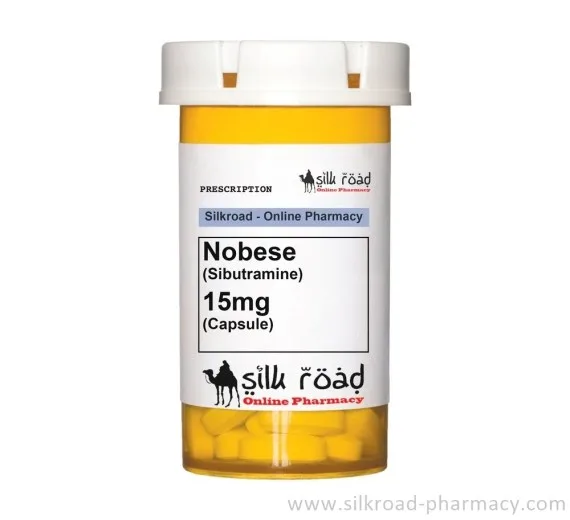
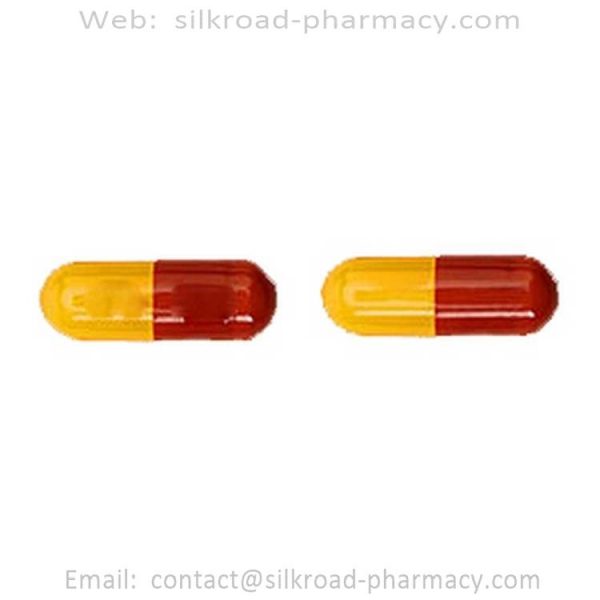
Buy Nobese 15mg capsules online for weight loss
You can buy Nobese 15mg tablets online from us. Silkroad Pharmacy is an online drugstore with the sole purpose of prescription drug sale over the internet, so you may please check the external source (link below) for detailed clinical information (like it’s side effects, risks, dosage etc) about Nobese 15mg.
Pack sizes and prices
- Price: $1.75
- Brand: Getz Pharma
- Category: WEIGHT LOSS
Frequently Asked Questions
Why was sibutramine withdrawn in so many countries?
The large SCOUT outcomes trial found that people at cardiovascular risk taking sibutramine had about a 16% higher rate of serious events such as non-fatal heart attack and stroke than those on placebo. Regulators in the EU and US concluded in 2010 that this risk outweighed the modest weight loss.
How much weight did sibutramine typically help people lose?
On average the additional loss versus placebo was modest — a few kilograms over 6 to 12 months when combined with diet support. That limited benefit was central to the withdrawal decisions.
Why is blood pressure monitoring so important with sibutramine?
By increasing noradrenaline activity it commonly raises blood pressure and resting pulse. Labelling required regular checks, and stopping treatment if readings rose substantially, because of the cardiovascular event risk.
Can I buy Nobese (Sibutramine) 15mg capsule online in the USA or Australia?
Yes — Silk Road Pharmacy ships Nobese (Sibutramine) 15mg capsule to the USA, Australia and many other countries in plain, discreet packaging. Delivery times and the total cost, including shipping, are shown clearly before you pay.
Do I need a prescription for Nobese (Sibutramine) 15mg capsule?
Yes. After you place your order, simply email us your prescription; our team verifies it before dispatch. This check keeps your treatment safe and legal, and it only takes a few minutes of your time.
What symptoms should make a user seek urgent medical help?
Chest pain, severe breathlessness, palpitations, fainting, or signs of a stroke such as facial droop or limb weakness need emergency assessment. So do the features of serotonin syndrome — confusion, agitation, fever, sweating, tremor and muscle stiffness — especially in anyone also taking antidepressants or migraine medicines. These risks underpin the withdrawal decisions.
Is my personal information kept private?
Yes. Your details are used only to process and deliver your order, your parcel is plain and discreet, and we never put anything on the packaging that reveals what is inside.
Does sibutramine interact with the contraceptive pill?
No clinically important interaction with oral contraceptives was identified in its labelling. The bigger reproductive issue was pregnancy itself: sibutramine was not to be used in pregnancy, and women of childbearing age were advised to use reliable contraception during treatment, since weight-loss pharmacotherapy is inappropriate while pregnant.
Why did regulators act in 2010 specifically?
That is when the SCOUT trial — a large outcomes study in over 10,000 high-risk patients run at regulators' request — reported. It found about a 16 percent relative increase in serious cardiovascular events, mainly non-fatal heart attacks and strokes, in the sibutramine group. With benefit modest, the European and US regulators concluded the balance had tipped.
How quickly does sibutramine start reducing appetite?
Appetite and feelings of fullness typically change within the first days of treatment, but weight is judged over weeks, not days. The historical label assessed response over the first month — people who had not lost a meaningful amount after about four weeks at the full tolerated dose were unlikely to benefit and were advised to stop.
How should I monitor my blood pressure at home on sibutramine?
Use a validated cuff, seated and rested, at consistent times, and keep a written log for reviews. Sibutramine raises blood pressure and pulse in many users — on average by small amounts, but significantly in a minority. Labelling required stopping treatment when readings rose substantially or stayed above agreed thresholds on repeated checks.
How do I place an order?
Add the pack you want to your cart and go to checkout. You will see the delivery options for your country and the full total, including shipping, clearly before you pay — nothing is charged until you confirm the order.
Delivery to the USA, UK, Australia, Ireland and Denmark
Silk Road Pharmacy delivers Nobese (Sibutramine) 15mg capsule to customers across the USA, the UK, Australia, Ireland and Denmark, as well as many other countries. Every parcel is sent in plain, discreet packaging, and the delivery times for your country together with the full cost, including shipping, are shown clearly at checkout before you pay.

0 reviews for Nobese (Sibutramine) 15mg capsule
No reviews yet. Be the first to review this product!
Add Review