78 2ND HOUSE RD MONTAUK, NY, 11954
CONTACT@SILKROAD-PHARMACY.COM- No products in the cart.
HGH (Somatropin) Explained: How It Works, Its Forms, Storage and Monitoring
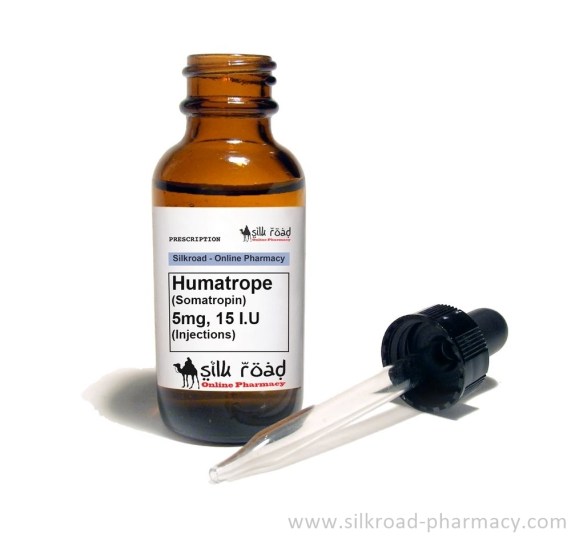
HGH (Somatropin) Explained in Plain Terms
HGH, or human growth hormone, is a hormone your pituitary gland makes naturally to control growth, repair, and metabolism. Somatropin is the laboratory-made version of that same hormone. It has the identical amino acid sequence to the hormone your body produces, and it is supplied as a prescription medicine for specific, diagnosed conditions. Somatropin works by signaling the liver and other tissues to produce IGF-1, a second hormone that carries out much of the growth and repair work. It is measured in international units, supplied mainly as a powder to be mixed or as a ready-to-use liquid, kept refrigerated, and monitored with blood tests during treatment.
That short answer covers the essentials, but each part deserves a closer look. People often meet somatropin through confusing labels, unfamiliar units, and strong claims online. This guide explains what the medicine actually is, how it works in the body, how its forms differ, how it is stored, and what cautions matter most, in calm and practical terms. This guide is general information, not personal medical advice, and it does not replace the judgment of your own doctor or pharmacist.
How It Works: Growth Hormone and IGF-1
Growth hormone is released by the pituitary gland, a small gland at the base of the brain, mainly in pulses during deep sleep. Once in the bloodstream, it travels around the body and binds to receptors on cells in muscle, bone, fat, and the liver. That binding is a signal, not the final action itself. Much of the visible effect comes through a second step.
The liver responds to growth hormone by making insulin-like growth factor 1, usually shortened to IGF-1. IGF-1 then circulates in the blood and supports cell growth and repair in bones, muscles, and other tissues. Growth hormone also has direct effects of its own. It encourages the body to use stored fat for energy, influences how protein is built into tissue, and affects how the body handles blood sugar.
Somatropin copies this natural system. Because it is chemically the same as natural growth hormone, the body treats it in the same way, raising IGF-1 levels while treatment continues. That is why IGF-1 is the key measurement in monitoring. A blood IGF-1 result gives the treating team a steady picture of how the body is responding, far more reliably than a single growth hormone reading, which rises and falls in pulses through the day. Results are compared with the expected range for age and sex, and treatment decisions are based on that picture over time, alongside symptoms and other tests, not on one number alone.
What It Is Used For
Somatropin is a prescription medicine with defined medical uses. In children, its best-known use is for growth failure linked to specific causes, such as the body not making enough growth hormone on its own, certain genetic conditions, or being born small and not catching up in growth as expected. In each case, the diagnosis comes first, with measurements, blood tests, and specialist assessment before any treatment is considered.
In adults, the main established use is confirmed growth hormone deficiency, where testing shows the pituitary gland is not producing enough hormone. This can follow pituitary disease, surgery, or injury, or it can continue from childhood. Treatment in adults is about replacing what is missing, supporting body composition, bone health, and quality of life under specialist supervision.
It is equally important to be clear about what somatropin is not. It is not a general tonic, not a routine answer to normal aging, and not a shortcut for fitness goals. Using a powerful hormone without a diagnosed need and without monitoring carries real risks, covered below. Anyone considering it should start with proper testing and a specialist conversation. You can browse the medicines in this area in our HGH category, but suitability is always a medical decision.
How It Is Taken: Injection, Forms and Measurement
Somatropin is taken by injection under the skin, known as a subcutaneous injection. It cannot be swallowed as a tablet, because it is a protein. Stomach acid and digestive enzymes would break it down before it could reach the bloodstream, in the same way they break down protein in food. Injection under the skin allows it to be absorbed gradually and intact.
In practice, injections are given with a fine needle or an injection pen device, into areas such as the abdomen, thigh, or upper arm, with the site rotated as the product instructions direct. The exact routine, including timing and amount, is set individually by the prescribing doctor for each patient. This guide deliberately gives no personal dosing schedules and no cycle protocols, because those decisions depend on diagnosis, age, weight, blood results, and response, and copying a routine from the internet is unsafe.
IU and mg: two ways of measuring the same medicine
Somatropin is labeled in two units, which causes much of the confusion. Milligrams (mg) measure weight. International units (IU) measure biological activity, meaning how strongly the product acts. For somatropin, the standard conversion used on medicine labels is that 1 mg equals 3 IU. So a vial described as 10 IU contains about 3.33 mg, and a cartridge described in milligrams can be converted the same way.
Always check which unit a label, prescription, and pen dial are using before comparing products. Mixing up IU and mg is an easy and serious mistake. If a label or instruction is unclear, stop and ask a pharmacist to explain it rather than guessing. Clear measurement is part of safe treatment, not a minor detail.
Strengths and Forms: Powder and Ready-to-Use
Somatropin comes in two main forms. The first is a powder, technically called a lyophilized powder. Lyophilized simply means freeze-dried. The hormone is dried into a small cake or powder inside a vial or cartridge, which keeps it stable for longer in storage. Before use, it must be mixed with the specific sterile liquid supplied with that product, a step called reconstitution, explained further in the storage section. Many traditional somatropin products are supplied this way.
The second form is a ready-to-use liquid. Here the hormone is already dissolved and supplied in a prefilled pen or cartridge, so there is no mixing step. These products are designed for convenience and for consistent measuring with a pen dial. They still require refrigeration and careful handling, and once in use they have a limited in-use period set by the manufacturer.
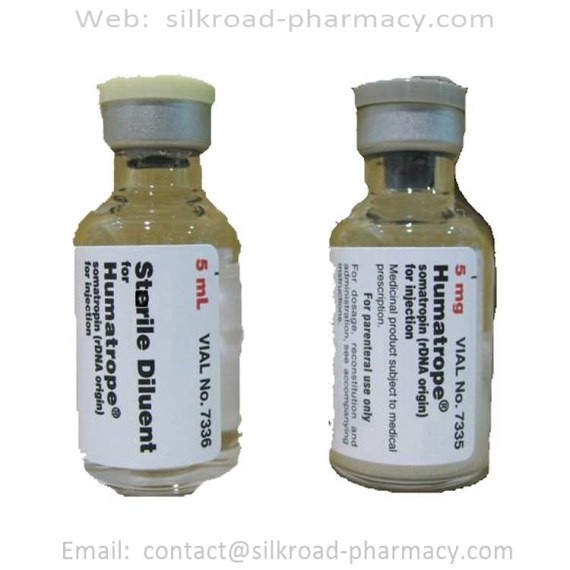
Strengths vary by brand and presentation. Vials and cartridges are commonly described by their total content in IU or mg, rather than by concentration alone. Two products with the same total content can still differ in device, liquid volume, and in-use life, so they are not automatically interchangeable. Never switch forms, devices, or brands mid-treatment without telling your care team, because the measuring method may change even when the medicine name stays the same.
Cautions and Side Effects
Somatropin is generally well studied, but like all hormone medicines it can cause side effects, especially if the dose is higher than the body needs. The most common effects are linked to fluid retention. People may notice swollen hands or feet, a feeling of tightness, joint aches or stiffness, and muscle discomfort. These effects often appear early in treatment or after a dose increase and are one reason treatment is adjusted gradually and reviewed regularly.
Nerve-type symptoms are also reported. Tingling or numbness in the hands and fingers, including carpal-tunnel type symptoms where the fingers tingle, feel numb, or ache at night, can occur when retained fluid presses on nerves. Headaches, and in children a limp or hip or knee pain, should always be reported promptly. Any new or worsening symptom during treatment should be discussed with the treating team rather than endured in silence.
Blood sugar needs particular attention. Growth hormone can reduce how well insulin works, so blood sugar can rise during treatment. People with diabetes may need closer monitoring and adjustment of their diabetes medicines, and people without diabetes may be checked for rising sugar over time. Regular blood tests, including IGF-1 and blood sugar measures, are a normal part of safe treatment.
- Fluid retention: swollen hands or feet, tightness, joint aches and stiffness.
- Nerve symptoms: tingling or numbness in the hands, including carpal-tunnel type symptoms.
- Blood sugar: growth hormone can raise it — monitoring is part of safe treatment.
- Headaches or any new, worsening symptom — report promptly.
Who must avoid somatropin
Some people must not use somatropin at all. It must not be used by anyone with an active malignancy, meaning active cancer, because a growth signal is the wrong treatment in that setting. It must not be used by people with diabetic eye disease that is active and proliferative, a serious diabetes complication affecting the retina. It must not be used during acute critical illness, such as after major surgery, serious injury, or acute breathing failure, where studies showed harm. It is also not used when a child's growth plates have closed and growth is complete, for growth purposes. Tell your doctor about all other medicines, conditions, and allergies before starting, and seek urgent medical help for severe headache, vision changes, or signs of a serious allergic reaction.
Storage: Refrigeration and Reconstitution
Correct storage protects the medicine. Somatropin should be stored in a refrigerator at 2 to 8 degrees Celsius, which is 36 to 46 degrees Fahrenheit. Keep it in its original carton to protect it from light, in the main body of the refrigerator rather than pressed against the back wall or in the door where temperatures swing. Never freeze somatropin. Freezing can damage the protein, and a product that has been frozen should not be used. Do not use it if the liquid looks cloudy, colored, or contains particles when it should be clear, and never use it after its expiry date.
For powder forms, reconstitution means gently adding the exact liquid supplied with that product, in the amount its instructions state. Swirl gently if the instructions say to do so. Do not shake vigorously, because shaking can damage the protein and create foam. Once mixed, the product becomes more fragile. Each brand sets its own in-use shelf life after mixing, commonly measured in days or a few weeks under refrigeration, and that limit must be followed exactly. Write the mixing date on the carton if the instructions advise it, so there is no guesswork later.
Ready-to-use pens have their own in-use limits once first used, again set in the product leaflet. Travel needs planning too: keep the medicine in hand luggage with a cool pack that does not touch it directly, never in checked baggage or a hot car. Poor storage can quietly make a genuine medicine ineffective.
Spotting Genuine Stock
Genuine somatropin should arrive sealed, correctly labeled, and cold-chain handled, with a readable batch number and expiry date that match between carton and vial or pen. Print should be sharp, the leaflet should be the correct one for that product, and the powder cake or liquid should look as the leaflet describes. A broken seal, a mismatched batch, or a product that arrived warm without explanation are all reasons to stop and check before using anything. Our short overview of what genuine supply looks like is on our genuine stock page, and the full checking method is in our companion guide.
For the step-by-step method, read how to spot a fake medicine alongside this guide. The two guides are designed to be used together, one for the medicine itself and one for checking what arrives.
Ordering Note
Orders are placed on this site in the usual way. Where a prescription applies to a medicine, it is requested and checked by email before anything is dispatched, and the pharmacy team will contact you by email if anything further is needed to complete that check. Please keep an eye on the email address used at checkout, including the spam folder, so the process is not delayed.
Common Questions
Short answers to the questions our pharmacy team hears most often about somatropin.
Is somatropin the same as natural growth hormone?
Yes, in structure. Somatropin is made in a laboratory to have the same amino acid sequence as the growth hormone your pituitary gland produces. The body handles it in the same way, including raising IGF-1. It is still a prescription medicine, because dose, suitability, and monitoring make the difference between replacement treatment and unnecessary risk.
Why is IGF-1 tested instead of growth hormone itself?
Growth hormone is released in pulses, so a single blood reading can be high or low depending on the moment it was taken. IGF-1 stays much steadier through the day and reflects the overall effect of treatment. Doctors compare IGF-1 with the normal range for age and sex and use the trend over time to judge response and adjust treatment safely.
How do I convert IU to mg?
For somatropin, 1 mg equals 3 IU on standard medicine labeling. That means 10 IU is about 3.33 mg, and 3 mg is 9 IU. Always confirm which unit your prescription, label, and pen use before comparing or measuring anything. If the units on two documents do not match, ask a pharmacist to check them for you rather than converting in a hurry.
What happens if somatropin gets warm or freezes?
Heat and freezing can both damage this protein medicine, and freezing is a clear reason not to use it. Brief temperature changes during proper transport with cooling are planned for by the supplier, but a pack left in a hot car or pressed against a freezer element is different. If you are unsure how a delivery was handled, contact the pharmacy before using it and describe what happened.
Can somatropin affect blood sugar?
Yes. Growth hormone can make insulin work less effectively, so blood sugar may rise during treatment. People with diabetes need closer monitoring, and their diabetes treatment may need adjustment by their doctor. People without diabetes are also checked over time. Tell your care team promptly about unusual thirst, passing urine more often, or unexplained tiredness.
Where can I learn more about related topics?
Start with The Guides library, where this article sits alongside our other pharmacy explainers, each covering one topic in plain language. If a question is about your own health rather than a medicine in general, your own doctor or pharmacist, who know your history, are always the right next step.
From the HGH shelf
Guides inform; the shelf is where you order. These are the current items in this part of the store.
VIEW ALL HGH →
More from The Guides
How GLP-1 medicines reduce hunger, why the dose starts low and rises slowly, and what to watch for during treatment.
A plain comparison of the four PDE5 medicines by timing, duration, and food effects, with the safety checks that matter most.
Adults with ADHD may be offered a fast-acting stimulant or a slower, steady non-stimulant. This guide explains how the classes dif...