Description
The Safety System Around Fentanyl in Theatre and Recovery
The reason fentanyl can be used safely at all is the safety system wrapped around it. It is given only by clinicians trained in advanced airway and breathing support, in rooms where oxygen, ventilation equipment and suction are immediately at hand. Breathing, oxygen levels, heart rhythm and blood pressure are monitored continuously, before, during and after administration, and the monitoring deliberately outlasts the pain relief, because fentanyl's effect on the breathing centre can persist or recur after the analgesia fades. A reversal agent, naloxone, is kept within reach, and other staff are present rather than a lone practitioner. Doses are calculated from weight, age, frailty and opioid history, drawn up in micrograms and independently checked. For a patient, the practical translation is simple: the beeping monitors, the recovery-room observation and the questions about your other medicines are not decoration. They are the conditions that make a very powerful drug a routine, controlled part of surgical care.
After the Procedure: Recovering from Fentanyl
Recovery from fentanyl follows a predictable arc. In the first hour or so, pain relief is strongest and drowsiness most obvious; staff score breathing, alertness and circulation repeatedly before stepping down the level of observation. Nausea is common after anaesthesia and can be treated. Before discharge, whether to a ward or home, you must be breathing comfortably, rousable, and have pain controlled by medicines that can continue without theatre-level monitoring. If you go home the same day, the instructions matter: a responsible adult stays with you, and driving, alcohol, and major decisions are off the table for 24 hours. Contact the hospital urgently for breathing that seems slow or laboured, inability to stay awake, or pain and vomiting that cannot be controlled. Because fentanyl itself is short-acting, problems arising days later usually concern the surgery or other medicines rather than this drug, but they still deserve prompt review.
Telling the Anaesthesia Team What Changes Fentanyl Handling
The most useful thing a patient can bring to fentanyl treatment is an accurate history. Tell the anaesthesia team about every regular medicine, especially antidepressants and migraine triptans, because serotonergic combinations can cause a dangerous reaction; antibiotics and antifungals that block the CYP3A4 enzyme, which raise fentanyl levels; and anything that induces the same enzyme, which lowers them. Describe your opioid history honestly, including prescribed painkillers, dependence treatment and any non-medical use, since tolerance transforms the dose calculation and concealment creates risk in both directions. Previous anaesthetic problems, difficult airways, sleep apnoea, liver or kidney disease, and any drug allergies all shape the plan. Older and frail patients should expect deliberately smaller starting doses with slower titration. None of these disclosures leads to judgement or to surgery being refused; they are the raw material from which the team builds doses and monitoring that fit you, rather than an average patient who does not exist.
Ampoules and Concentrations: How Sublimaze Presentations Are Selected
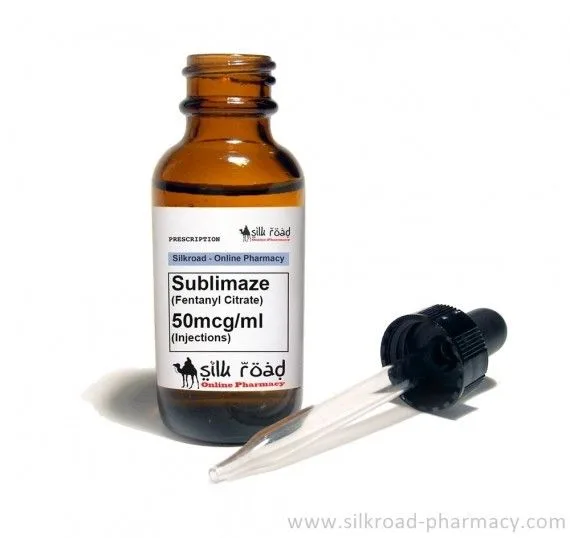
Sublimaze is supplied as a standard concentration of 50 micrograms of fentanyl per millilitre, presented in ampoules and vials of 2 mL, 5 mL and 10 mL. Standardising on one concentration is a deliberate safety decision: the anaesthesia team calculates doses in micrograms per kilogram and draws up the corresponding volume, and a single familiar strength reduces the chance of a tenfold error with such a potent medicine. The container size is matched to the case — a 2 mL ampoule suits a short procedure needing small premedication or induction doses, while larger volumes are drawn for long operations, repeated top-ups during maintenance, or the high-dose techniques used in cardiac surgery. Preservative-free presentations are selected when the medicine may be given near the spinal cord. Because fentanyl dosing is individualised by weight, age, procedure and the other anaesthetic agents in use, the quantity prepared is planned per patient in theatre rather than dispensed as a course, and unused controlled medicine is accounted for under strict records.
Around Your Procedure: The Records and Checks That Surround Fentanyl
Unlike a medicine you manage at home, fentanyl is tracked entirely within the care team's systems, and understanding those records helps you play your part. Every dose, its timing and your response — breathing rate, oxygen levels, blood pressure and depth of sedation — are written on the anaesthetic chart, creating a minute-by-minute account that the recovery team then continues as they score your alertness and comfort while the drug wears off. Your contribution to that record happens beforehand: an accurate list of your regular medicines, any previous problems with anaesthesia, allergies, and honest information about alcohol or opioid use all change how fentanyl is handled. After discharge, the checking-back responsibility becomes yours. Seek urgent help for slowed or difficult breathing, extreme sleepiness or inability to stay awake in the first day; contact the surgical team about uncontrolled pain, persistent vomiting or confusion; and keep the follow-up appointment even if you feel fully recovered, so the record of your anaesthetic can be completed and reviewed.
How Fentanyl Fits into an Anaesthetic Plan
Fentanyl rarely works alone; it is one instrument in a coordinated anaesthetic. Before surgery it may be used as premedication to settle pain and anxiety. During induction and maintenance it blunts the body's responses to the operation itself, reducing pain signalling and stabilising heart rate and blood pressure while other agents keep the patient unconscious and still. Afterwards, smaller doses can cover the immediate recovery period before longer-acting pain relief takes over. The pattern across a case is constant adjustment: the anaesthetist watches breathing, circulation and depth of anaesthesia second by second and titrates fentanyl in small increments, because its intravenous effect arrives within minutes and fades within the hour. Understanding that rhythm explains many features of the experience, from the monitors attached before anything is given, to the close observation in recovery afterwards. Nothing about its use is casual; it is potent medicine handled inside a system designed around its potency.
Product facts
- Price: $6.50
- Brand: Akorn
- Category: PAIN KILLERS
Frequently Asked Questions
Why is fentanyl injection only used in hospitals and operating theatres?
It is extremely potent and can slow or stop breathing within minutes, so it is given only where ventilation can be supported and the patient can be monitored continuously by staff trained in resuscitation.
Why might breathing need watching even after the pain relief wears off?
Fentanyl's effect on the brain's breathing centre can persist after its pain-relieving effect fades. Staff therefore keep observing breathing during recovery, and an opioid-reversing medicine such as naloxone is kept available.
What does the 50 micrograms per mL strength mean?
Each millilitre of solution contains fentanyl citrate equivalent to 50 micrograms (0.05 mg) of fentanyl. Because doses are so small and precise, they are always calculated and double-checked by the anaesthesia team.
Can I buy Sublimaze (Fentanyl Citrate) 50mcg/ml injection online in Denmark or the UK?
Yes — Silk Road Pharmacy ships Sublimaze (Fentanyl Citrate) 50mcg/ml injection to Denmark, the UK and many other countries in plain, discreet packaging. Delivery times and the total cost, including shipping, are shown clearly before you pay.
Do I need a prescription for Sublimaze (Fentanyl Citrate) 50mcg/ml injection?
Yes. After you place your order, simply email us your prescription; our team verifies it before dispatch. This check keeps your treatment safe and legal, and it only takes a few minutes of your time.
How long will the effects of fentanyl last after my operation?
The pain relief from an intravenous dose lasts about 30 to 60 minutes, but drowsiness and slowed reactions can linger beyond that. Recovery staff keep you under observation until breathing, alertness and circulation are stable, and grogginess for the rest of the day is normal.
Is my personal information kept private?
Yes. Your details are used only to process and deliver your order, your parcel is plain and discreet, and we never put anything on the packaging that reveals what is inside.
Why is a reversal medicine kept nearby when fentanyl is used?
Naloxone can rapidly reverse an opioid's effect on breathing, so it is kept immediately available wherever fentanyl is used. Its presence is a routine safety layer, like the monitoring itself, and does not mean the team expects to need it.
Can fentanyl be used if I already take opioids at home?
Yes, and the anaesthetist will factor that tolerance into the doses chosen, because people accustomed to opioids often need more fentanyl for the same effect. Concealing regular opioid use, whether prescribed or not, leads to under-treatment or unexpected reactions, so honesty genuinely improves safety.
Why might my heart rate slow down during surgery with fentanyl?
Fentanyl can slow the heart, partly by increasing vagal tone, and the anaesthesia team watches the heart tracing continuously for exactly this reason. If the rate falls too far, medicines such as atropine are given to correct it, usually with immediate effect.
What about breathing once I go home the same day after fentanyl?
Discharge the same day happens only once you meet set criteria and have a responsible adult to take you home and stay with you. You should not drive, drink alcohol or make important decisions for 24 hours after an anaesthetic, because judgement and reactions remain subtly impaired.
How do I place an order?
Add the pack you want to your cart and go to checkout. You will see the delivery options for your country and the full total, including shipping, clearly before you pay — nothing is charged until you confirm the order.
Ordering Sublimaze (Fentanyl Citrate) 50mcg/ml injection from the USA, UK, Australia, Ireland or Denmark
Customers in the USA, the UK, Australia, Ireland and Denmark can order Sublimaze (Fentanyl Citrate) 50mcg/ml injection here with confidence: parcels travel in plain, discreet packaging, and you see the delivery time for your country and the complete cost, shipping included, before any payment is taken.
See also: customers also look at Darvocet-A500 (Acetaminophen & Propoxyphene) 100/500 mg.

0 reviews for Sublimaze (Fentanyl Citrate) 50mcg/ml injection
No reviews yet. Be the first to review this product!
Add Review